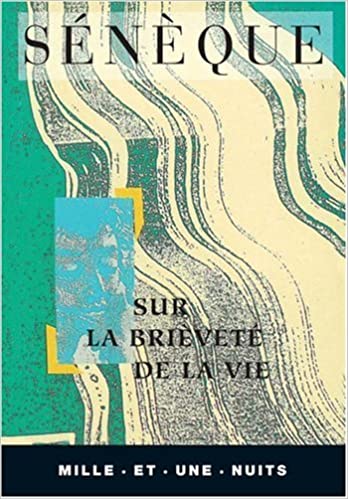
Drawing on his exceptional experience, Seneca explores how to lengthen human life by ridding it of the thousand trivialities that clutter it without making it any richer. In this way, he helps us understand what it means to truly live.
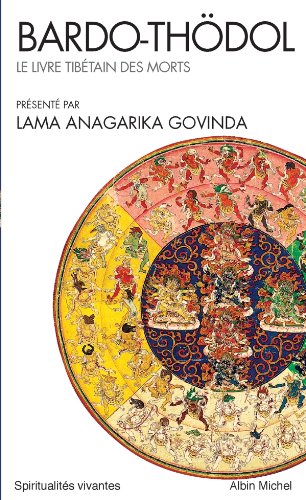
In this book, Sogyal Rinpoche brings together the ancient wisdom of Tibet and contemporary research on death and dying, and on the nature of mind and of the universe. He gives a clear account of the vision of life and death offered by the Tibetan tradition. In particular, he explains the ‘bardos’, the states of consciousness after death that have so fascinated Western artists, doctors and philosophers since the publication in 1927 of the Bardo Thödol (The Tibetan Book of the Dead). The book is also an introduction to the practice of meditation, and to the notions of rebirth and karma. The Tibetan Book of Living and Dying is not just a spiritual masterpiece: it is a manual, a guide, a reference work and a source of sacred inspiration.
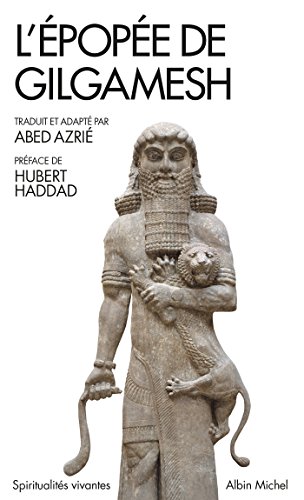
‘Gilgamesh went to the ends of the Earth, he went down to the depths of the ocean, he climbed the mountains, in search of the secrets of the world…’
So begins the epic of Gilgamesh, the tyrant king. Transformed by his friendship with Enkidu, the wild man, he sets out on a perilous journey in search of immortality. The tale of his exploits is humanity’s oldest text.
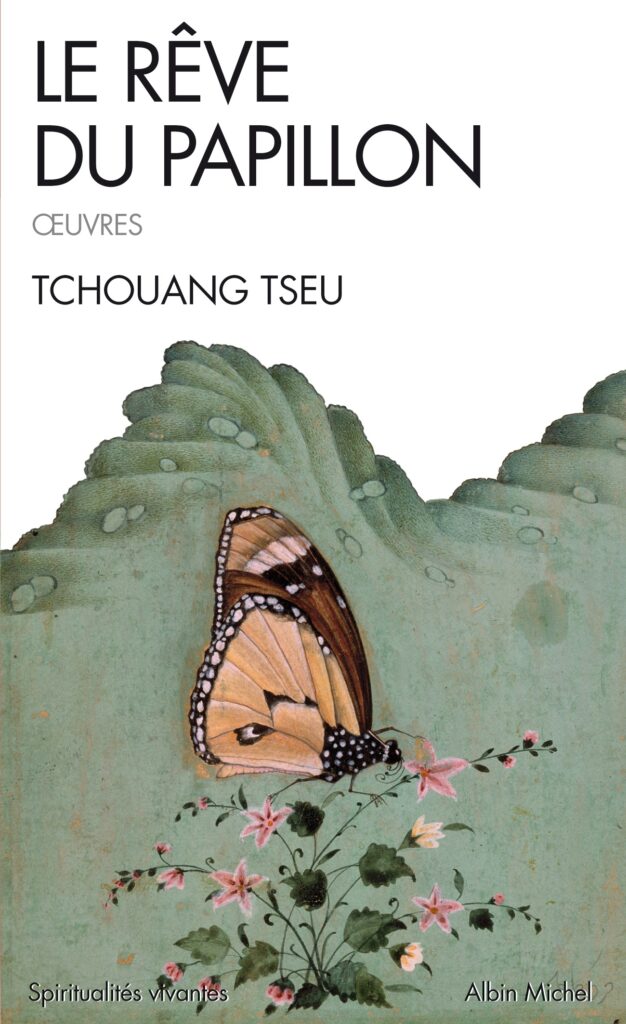
‘Zhuangzi dreamed that he was a butterfly, fluttering about, happy with his lot, not knowing that he was Zhuangzi. Suddenly he woke up and realised that he was Zhuangzi. He no longer knew whether he was Zhuangzi who had just dreamed he was a butterfly, or a butterfly dreaming that he was Zhuangzi.’ This famous passage, which questions the boundary between dream and reality, is the common thread running through the complete works of Zhuangzi, gathered in this volume. Taking now the form of a paradoxical dialogue, now that of an allegorical tale, now that of a mystical poem, this masterpiece from the 4th century BCE contains the whole spirit of the Tao. In it we meet Confucius paying a visit to Laozi, a centipede jealous of a snake, and so many other figures, real or imaginary, who illustrate the teachings of Chinese wisdom, not without humour.